AI voice phishing danger: How to prepare for voice scams
"The voice on the other end of the line sounds exactly like a loved one, but the person speaking is actually a machine."
AI voice phishing danger represents a growing threat where criminals use sophisticated technology to mimic human speech, making scams harder to detect.
This article examines how synthetic audio is used in fraudulent schemes, the risks associated with these high-tech crimes, and the current state of defensive measures.
Key takeaways include the reality of identity theft through voice cloning, the psychological manipulation used by scammers, and the technical challenges in distinguishing real humans from artificial ones.
How does AI voice phishing danger manifest in daily life?

A phone rings in a quiet living room, and a familiar voice asks for urgent financial help. This sudden emotional weight makes it difficult to think clearly about the legitimacy of the call.
The primary method involves using a small sample of audio to create a perfect digital replica of a person's voice. The risk of voice changer scams increases when criminals target family members or colleagues, leveraging the familiarity of the tone to bypass natural suspicion.
Because the voice sounds authentic, victims often bypass their usual security instincts.
Criminals can now automate these calls to target hundreds of people simultaneously. This synthetic voice fraud relies on the ability to generate natural-sounding speech patterns, including breathing and emotional inflections, which confuses the listener.
By the time a victim realizes the voice is fake, the money has often already been transferred.
An AI voice threat alert is necessary as these technologies become more accessible to bad actors. The ease of using software to manipulate pitch and tone means that even a short social media clip can be used to facilitate a deepfake voice crime.
Understanding these methods is the first step toward recognizing when a conversation might be artificial.
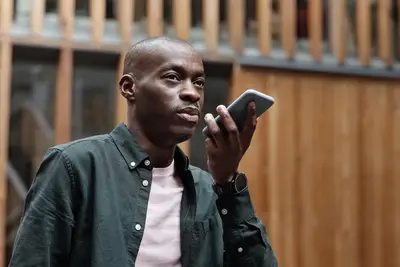
Scammers can mimic the voices of family members or colleagues during phone calls to create a sense of urgency.
What are the primary risks of identity theft through voice cloning?
I sit in the dimly lit office, staring at the screen with a cold chill as I realize my stolen voice has been used to bypass security.
A victim stares at a silent phone, wondering if the voice they just heard was real or a digital fabrication. The realization that a voice can be stolen creates a new layer of digital vulnerability.
The risk lies in the ability to bypass voice-activated security systems used by banks or smart home devices. If a person's biometric voiceprint is used to authorize transactions, the damage can be immediate and widespread.
This level of impersonation creates a crisis of trust in all telephonic communications.
The psychological impact is equally significant, as victims may feel violated by the theft of their own identity. When a voice is used to manipulate others, it destroys the sense of security within personal relationships.

This emotional manipulation is often more effective than technical hacking alone.
| Risk Type | Primary Impact |
|---|---|
| Biometric Theft | Unauthorized access to secure accounts |
| Emotional Manipulation | Immediate financial loss through urgency |
I once sat through a training session where we analyzed how a single ten-second clip could be used to reconstruct a person's entire speaking style. It was a chilling reminder of how easily a digital identity can be hijacked.
Fraudsters use cloned voices to bypass biometric security systems or to trick individuals into revealing sensitive personal information.
How to prepare for potential voice-based scams?
I sit at my desk at midnight, rubbing my weary eyes as I study how to protect my own unique voice from being stolen.
A person sits at a desk, carefully reviewing security protocols to ensure they are ready for any digital threat. Preparing for these scenarios requires a proactive approach to communication and verification.
- Establish a unique "safe word" or verbal passphrase to be used only with family members during emergencies to verify identity. 2. Implement a policy of hanging up and calling the person back on a known, trusted number whenever an urgent or unusual request is made. much. 3. Limit the amount of clear, high-quality audio of your voice that is available on public social media platforms to reduce the chance of being cloned.
A final check involves verifying the situation through a different communication channel, such as a video call or a secondary messaging app, before taking any action. These steps create a manual verification layer that technology cannot easily bypass.
- Establish a unique family safe word to verify identities during suspicious calls.
- Verify the caller's identity through a separate communication channel.
- Remain calm and end the call immediately if the request seems unusual.
Is there a way to prevent AI voice scams?
A technician monitors a stream of data, looking for the subtle irregularities that might indicate a synthetic voice. The battle between creators of AI and those who exploit it is constant.
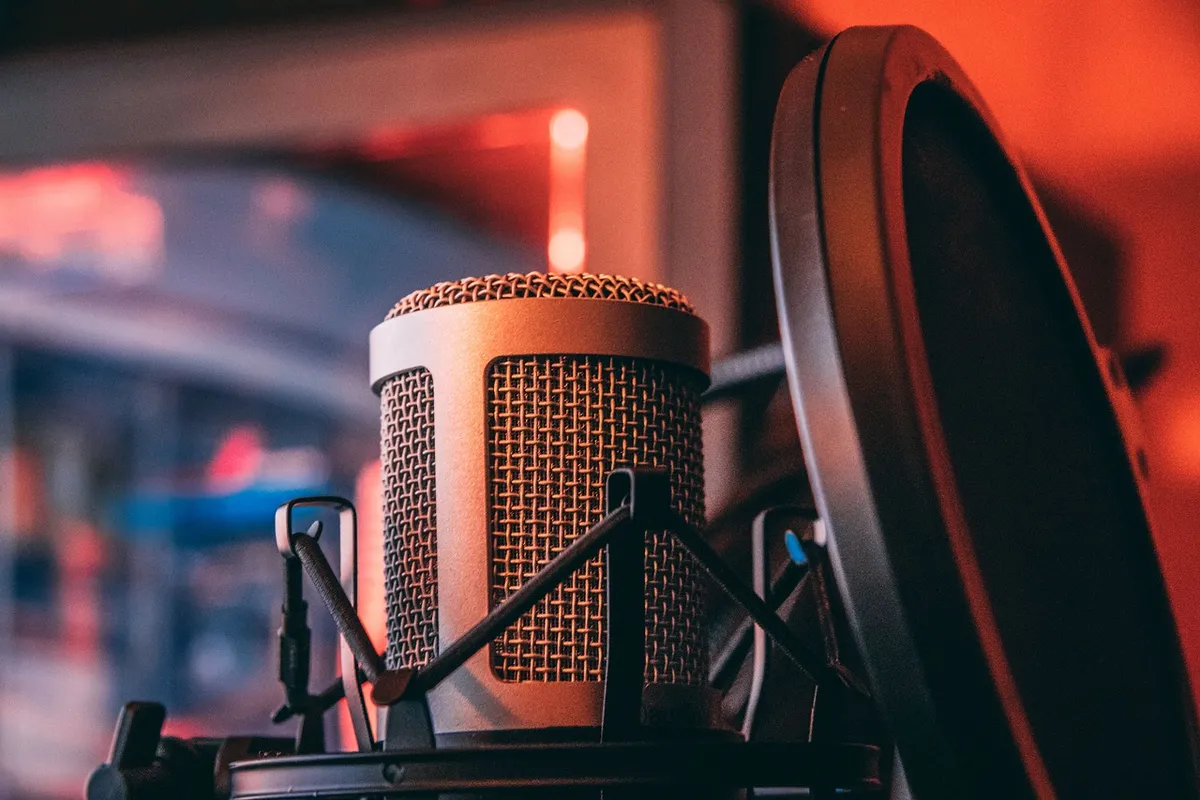
Effective prevention requires a combination of technical tools and human intuition. While companies develop detection software, the most effective defense remains skepticism toward unsolicited and high-pressure phone calls.
Staying informed about the latest trends in digital fraud is essential for long-term protection.
The goal is to move toward a society where digital identity is as carefully guarded as a physical key. As technology evolves, the methods for preventing AI voice scams must also become more sophisticated.
In this sequence, the second step is the most critical.
The subject here is AI voice phishing danger.
The same subject is also called voice changer scam risk.
This part also covers how to stop voice phishing.
This part also covers best voice phishing defense.
how to stop voice phishing
Related



Comments 0