AI voice blockchain trust: How to guide voice security
"The intersection of synthetic identity and digital truth is becoming the new frontier of cybersecurity."
The integration of AI voice technology and blockchain offers a way to verify the authenticity of spoken data through decentralized ledgers. This combination aims to prevent deepfake manipulation and ensure that voice recordings remain untampered from the moment of capture to the moment of playback.
Key takeaways include the use of cryptographic hashing for data integrity, the establishment of immutable audit trails, and the mitigation of identity theft risks.
How can we achieve AI voice blockchain trust?

At dawn in the silent lab, the researcher leans forward to watch a golden light flicker as the digital signature locks onto the unique voice.
A technician sits before a glowing monitor, watching a waveform fluctuate as a digital signature attaches itself to a voice file. To establish AI voice blockchain trust, developers are looking at ways to link unique vocal biometric patterns with immutable ledger entries.
This process ensures that any attempt to alter the audio would result in a mismatch between the file and its recorded hash.
The primary goal is to create a verifiable link between a human speaker and a digital recording. By using blockchain, we can provide a permanent record of when a voice was captured and by whom. This prevents bad actors from injecting deepfake audio into existing conversation histories.
Securing these assets requires a robust technical framework. We can secure voice with blockchain by storing the unique fingerprints of audio data on a decentralized network. This makes the metadata virtually impossible to rewrite or delete without detection.
The shift toward automated voice assistants makes this security more critical than ever. We must ensure AI voice data integrity by verifying that the input received by a system is the original, unadulterled sound from the source.
This prevents "man-in-the-middle" attacks where synthetic voices are injected into live streams.
- Establish a decentralized ledger for voice biometric templates.
- Implement cryptographic hashing to secure identity data.
- Integrate smart contracts to automate verification protocols.
How can I make voice security better?
At midnight in the cold server room, the engineer taps the console to freeze a digital fingerprint, ensuring the integrity of the captured voice.
An engineer adjusts the parameters on a secure server, preparing to upload a validated audio packet to a distributed node. Implementing blockchain for voice trust involves several technical layers that work together to validate identity.
This process moves beyond simple passwords to a more biological, yet digitally verifiable, authentication method.
The first step is to generate a unique cryptographic hash of the audio at the point of origin. This hash acts as a digital fingerprint that represents the specific nuances of the speaker's voice. If even a single millisecond of the audio is altered, the hash will no longer match.
Next, the system must distribute this hash across a decentralized network to prevent a single point of failure. This ensures that the verification authority is not centralized, making it harder for hackers to compromise the entire system.
Finally, the consumer-facing application must be able to instantly check the audio against the ledger. This real-time verification provides the user with immediate certainty regarding the speaker's identity.
The transition to these systems requires a complete rethink of how we store sensitive biometric data. We are looking at AI voice security solutions that prioritize privacy while maintaining high levels of verification. This is essential as synthetic media becomes indistinguishable from reality.

In this sequence, the second step is the most extensive.
How do I actually implement this?
A security auditor reviews a sequence of automated protocols on a tablet, checking the synchronization between the local device and the cloud. To implement these protections, organizations follow a structured approach to integrate voice data into a blockchain environment.
- Capture the raw audio and extract a verifiable biometric signature using specialized AI algorithms. 2. Upload the unique signature to a blockchain-based registry to create an immutable timestamp. 3. Use a verification client to compare incoming live audio against the stored signature to confirm authenticity.
I watched as the verification software flagged a slight discrepancy in a test file, demonstrating how even subtle manipulations are caught. This process requires high-speed processing to ensure that the latency of the blockchain does not interfere with real-time communication.
The effectiveness of these tools depends on the strength of the initial encryption. If the biometric signature is captured insecurely, the entire chain of trust is compromised. Therefore, the capture device must be as secure as the ledger itself.
A final check ensures that the metadata, such as location and time, is also synchronized with the voice signature. This adds another layer of context to the identity verification process.
Can we manage identity risks with these tools?
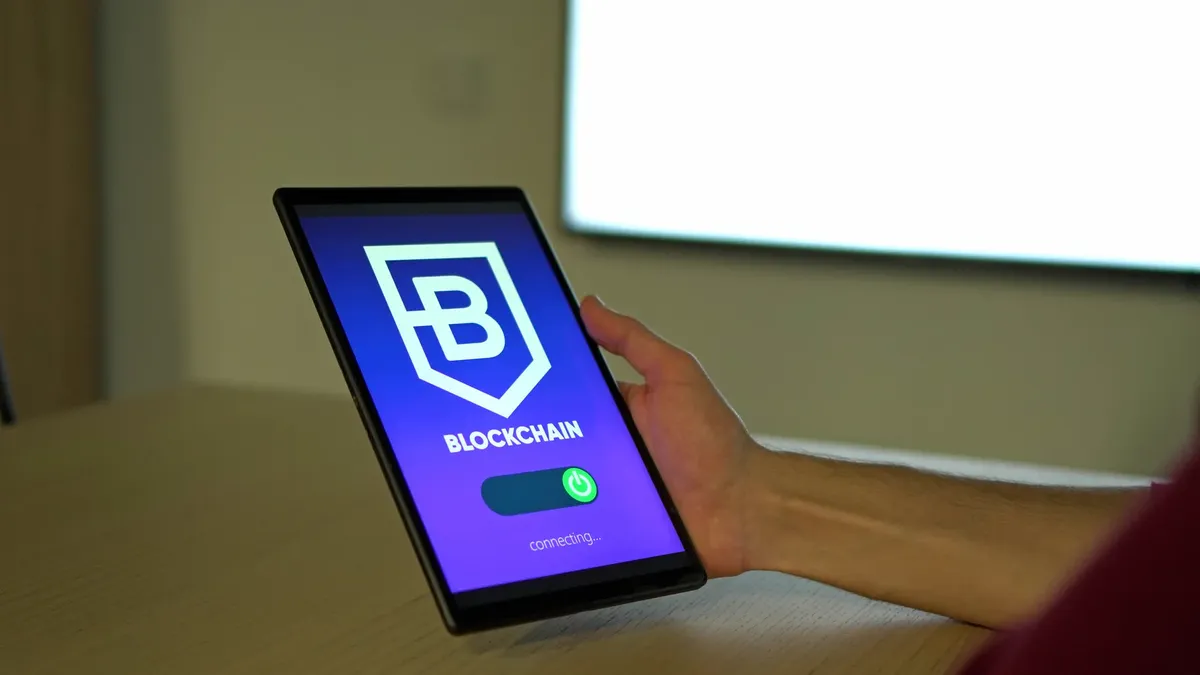
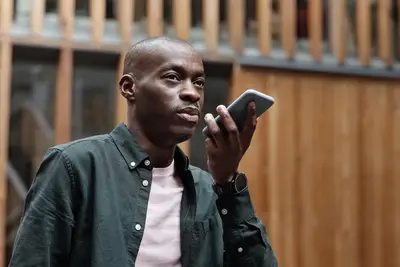
A user receives a notification on their smartphone, confirming that the incoming video call has been verified through a secure protocol. Managing identity risks through these methods involves constant monitoring of the digital landscape.
The goal of enhancing voice security is to prevent the use of synthetic clones for fraudulent activities. By having a verifiable history of a person's voice on the blockchain, we can distinguish between the real person and a sophisticated AI imitation.
This technological synergy provides a foundation for more secure remote work and digital banking. When voice is used as a key, the blockchain provides the lock and the audit trail.
The complexity of these systems means they must be scalable to handle millions of users. A decentralized approach allows for this growth without the bottlenecks seen in traditional centralized databases.
This part also covers Blockchain voice data proof.
This part also covers Trusted AI voice systems.
AI voice security solutions
Related



Comments 0