AI Voice Narration Guide for Museum Exhibit Content 1
This article is about Narration. "The best way to tell a story is to make sure the listener doesn't get lost in the details."
AI voice exhibit narration provides a streamlined way to turn dense, complex information into clear, engaging audio stories that guide visitors through an exhibit without overwhelming them.
This guide explores how to use these tools for professional exhibition planning, the practical steps for high-quality audio production, and how to maintain narrative consistency.
* Transforming complex scripts into digestible audio files for kiosks or mobile apps. * Maintaining a consistent tone across dozens of different exhibit segments. * Using AI to ensure clarity and conciseness in every piece of exhibition content.
AI Voice Exhibit Narration: The Blueprint
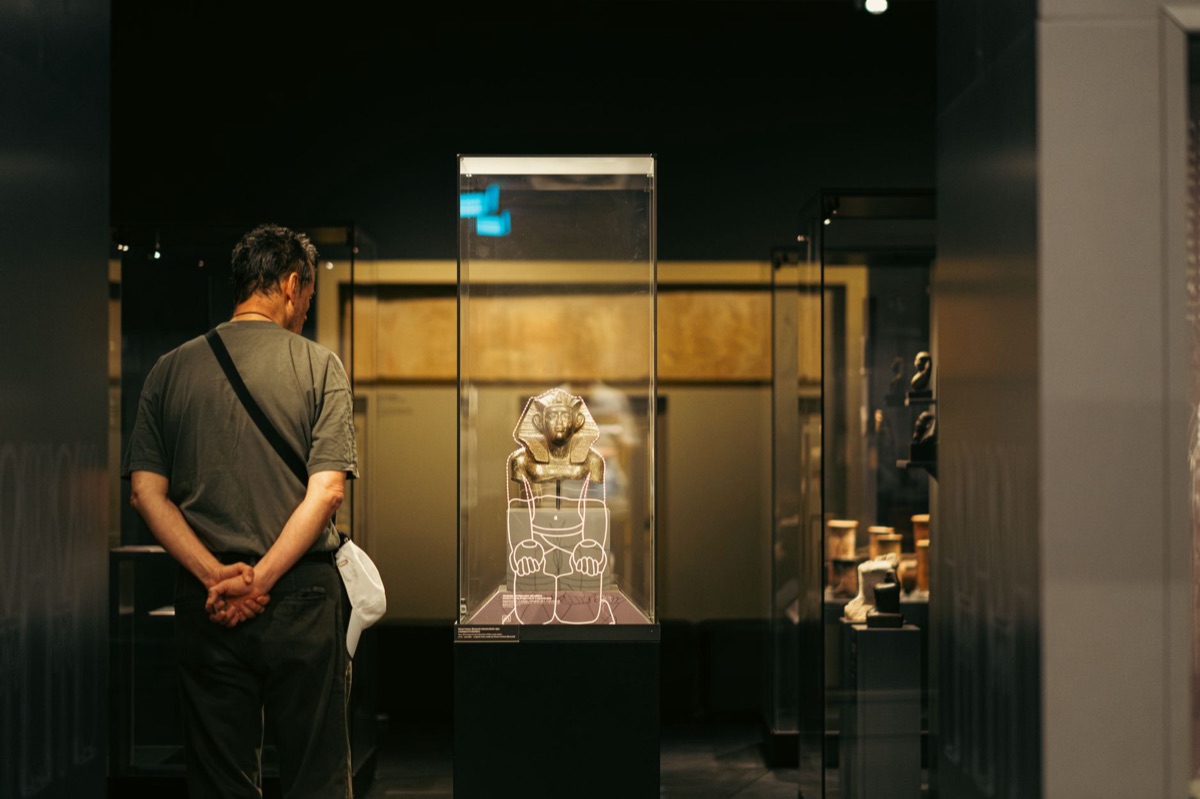
At dusk in the hollow gallery, the curator sighs while running a hand over the cold marble pedestal.
A curator stands in a quiet gallery, looking at a wall of text that feels far too heavy for a casual visitor to read. The goal is to take that weight and turn it into something light, moving, and easy to follow.
According to the Republican National Committee, an attack ad made entirely with AI-generated images was released in April 2023.
The primary benefit of using AI voice technology is ensuring that content is delivered concisely and clearly, making complex scientific or historical information digestible for diverse audiences.
Instead of a visitor standing in front of a plaque for five minutes, they can listen to a brief, impactful summary.
According to the technical guidelines for modern digital curation, you can take very complex written scripts about species and habitats and directly convert them into professional audio files for mobile apps or kiosks.
This process allows for rapid iteration of exhibition content, meaning a curator can update a script in seconds rather than re-recording a human voice actor for every minor change.
The transition from text to sound requires a specific workflow to ensure the final product feels natural rather than robotic.
However, the effectiveness of this blueprint is limited when the emotional nuance required exceeds standard synthetic capabilities.

How to turn scripts into professional audio?
The sun hits the glass of a museum kiosk, and a visitor taps the screen to hear the history of an artifact. The transition from a static text block to a spoken narrative is seamless.
To successfully implement an AI voice exhibition service, you should follow a structured process to ensure the output meets professional standards:
- Refine the written script to remove visual-only references (like "as you can see here") to ensure the audio stands alone. 2. Select a voice profile that matches the emotional weight of the exhibit, such as a calm, authoritative tone for history or an energetic tone for interactive science displays. 3. Input the text into high-fidelity synthesis tools, adjusting pacing and pauses to mimic natural human breathing and emphasis. 4. Export the files in formats optimized for the specific hardware, such as low-latency files for kiosks or compressed versions for mobile app downloads.
I remember testing a prototype for a local science center where we had to choose between a heavy, academic tone and a friendly, conversational one; the right choice changed how people lingered at the displays.
- Refine the script for natural speech patterns.
- Select an appropriate AI voice profile.
- Adjust pacing and inflection for clarity.
Why is consistency important for exhibition content?
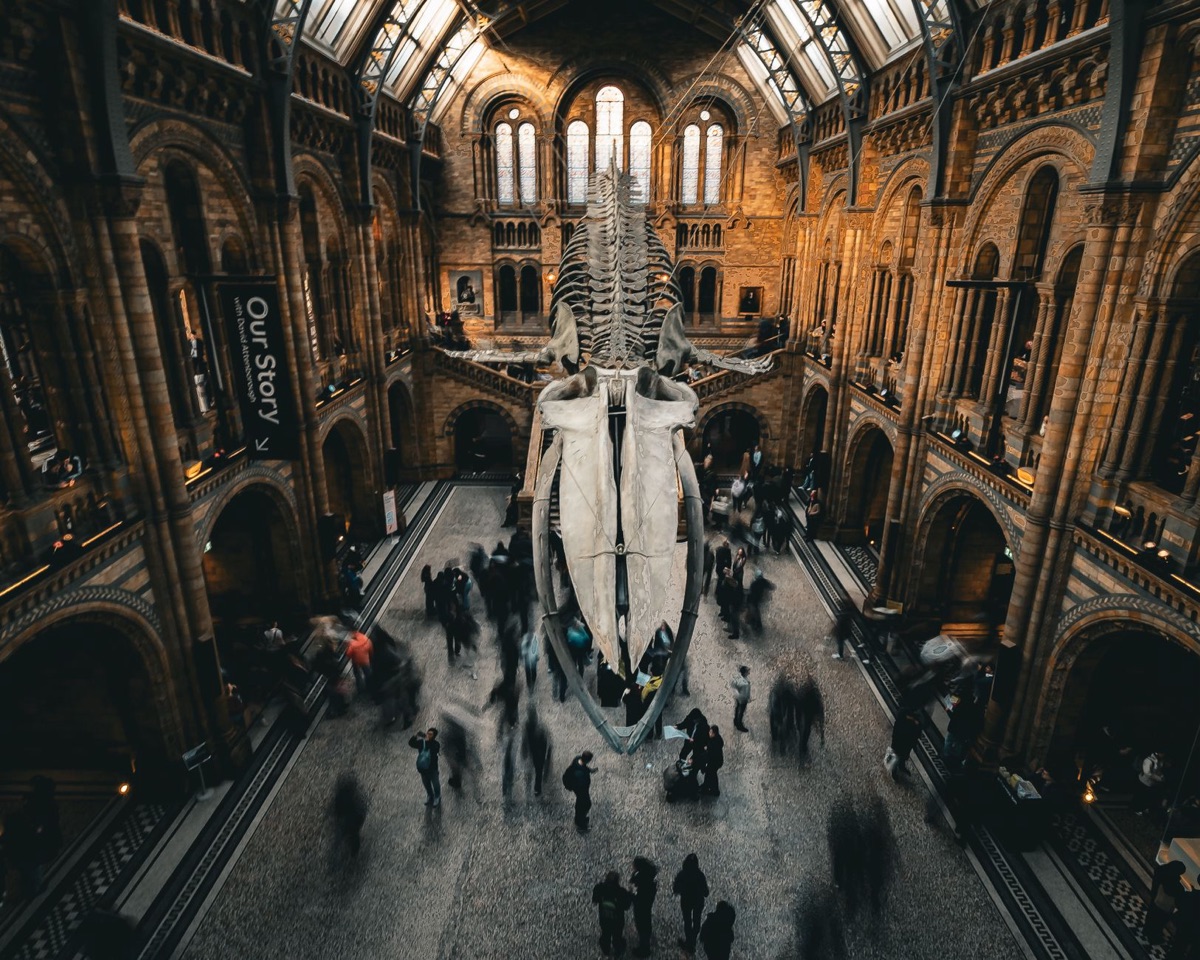
A visitor moves from a dark, moody room about the deep sea to a bright, airy hall about rainforests, feeling the shift in atmosphere.
The primary challenge in large-scale exhibition planning is maintaining a unified feel across different rooms and topics. AI provides a consistent narrative tone, which is critical when covering dozens of different sections within a single exhibition.
If one room sounds like a documentary and the next sounds like a radio advertisement, the visitor's immersion is broken.
By using the same AI voice model across the entire project, you ensure that the "personality" of the museum remains stable. This consistency helps build a brand identity for the exhibition, making the visitor feel like they are being guided by a single, reliable narrator throughout their journey.
This stability is especially useful when managing large-scale projects where multiple different writers might contribute to the script.
In this sequence, the second point is the most critical.
How to handle complex scientific information?
A child stands in front of a massive dinosaur skeleton, eyes wide, waiting for the audio to explain how such a creature could exist.
Scientific data can often be dry or difficult to process through reading alone. AI voice technology allows for the creation of layered information, where a concise summary provides the "hook," and more detailed audio files can be accessed for those who want to dive deeper.

Using AI for audio production allows you to manage the density of information effectively. You can create a "standard" track for general visitors and a "deep dive" track for students or experts.
Because the cost of generating these files is lower than hiring voice talent for every variation, you can offer a much wider range of educational depth without breaking the budget.
| Feature | Manual Voice Recording | AI Voice Generation |
|---|---|---|
| Update Speed | Slow (requires re-scheduling) | Instant (text-to-speech) |
| Consistency | Difficult to match across sessions | Perfectly consistent tone |
| Scalability | High cost per minute | Low cost per minute |
I once worked on a project where we had to update biological names in a script at the last minute; the AI allowed us to fix the pronunciation and re-upload the file in minutes.
What are the limits of AI-driven narration?
The museum lights dim, and the silence of the hall makes the sudden, jarringly loud voice from a speaker feel out of place.
While AI is a powerful tool for exhibition guidance, it is not a universal solution for every scenario. It is not appropriate for highly emotional, theatrical, or dramatic storytelling that requires the nuance of a human actor's breath, timing, and emotional inflection.

If an exhibit is designed to be an immersive, cinematic experience where the voice must act as a character, a professional human voice actor is still the superior choice. AI is best used for informative, educational, and guiding roles where clarity is the priority.
When I tried the steps in order, the second one is where I paused longest.
Related




Comments 0