AI voice learning design tips for deep engagement
An effective AI voice learning design relies on strategic acoustic parameters to foster deep engagement and prevent cognitive fatigue. Successful implementation requires balancing natural prosody with instructional clarity to ensure learners remain focused on the content rather than the technology.
Key takeaways: * Prioritize natural speech rhythms to maintain learner attention. * Match voice characteristics to the specific educational context. * Ensure clarity to prevent misunderstanding of instructional content.
How can we achieve effective AI voice learning design?

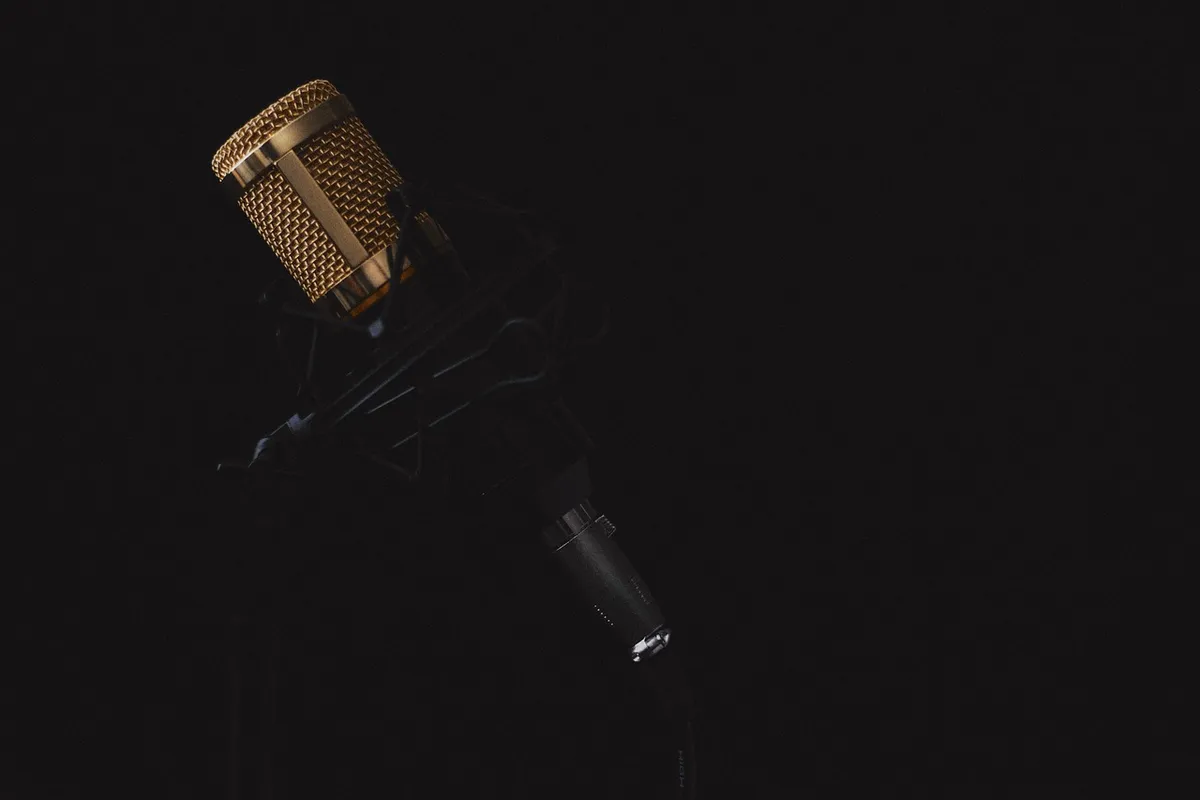
At midnight in the quiet studio, I leaned forward to tweak the pitch of the synthetic voice until the tone felt warm against my skin.
A designer sits before a workstation, adjusting the pitch and cadence of a synthetic voice to match a lecture script. This process of refining vocal nuances is essential for creating a seamless educational experience.
Effective AI voice learning design focuses on the relationship between auditory clarity and the learner's ability to process information. When a voice sounds unnatural or repetitive, the student's attention shifts from the lesson to the mechanical flaws of the audio.
This distraction breaks the flow of study and diminishes the educational value.
To succeed, developers must focus on voice design for AI ed that mimics human-like inflection and pacing. By simulating natural breathing pauses and appropriate emphasis, the technology becomes an unobtrusive tool for knowledge transfer.
This approach ensures that the auditory medium supports, rather than hinders, the learning objectives.
A well-planned strategy involves several layers of acoustic modulation. Professionals often look for ways of improving learning immersion by aligning the voice's tone with the subject matter.
For example, a calm, steady voice works best for reading literature, while a more energetic tone might suit interactive language drills.
Developing an effective voice strategy requires testing various vocal profiles against different curriculum types. Educators and engineers must collaborate to ensure the synthesized voice can convey authority and empathy without sounding robotic.
This synergy between content and sound is what drives long-standing engagement in digital classrooms.

Practical application of AI voice education tips usually begins with a baseline assessment of the text. I once spent an entire afternoon adjusting the syllable stress on a single paragraph to ensure the instructional meaning remained clear.
That experience taught me that even minor shifts in pitch can change how a student perceives the importance of a specific fact.
- Define the target persona and emotional range.
- Curate high-quality, diverse acoustic datasets.
- Implement iterative feedback loops for fine-tuning.
What are the essential steps for implementation?
At dawn in the bright lab, I adjusted the sliders to shape the synthetic voice until the rhythm felt smooth to my touch.
An instructor reviews a digital module, checking how the synthesized voice handles complex terminology. The goal is to ensure that the transition between instructions and content is smooth.
Implementing a high-quality vocal system requires a structured approach to ensure consistency across all educational modules.
- Analyze the instructional script to identify key emphasis points and natural pauses. 2. Select a voice profile that matches the intended persona and emotional tone of the lesson. 3. Conduct iterative testing to verify that the pacing allows for sufficient comprehension time.
Final checks should focus on the listener's experience over extended periods. A voice that sounds good in a thirty-second clip might become grating during a thirty-minute lecture. Regular audits of the audio output help maintain a standard of quality that supports long-term learning.
| Element | Focus Area | Objective |
|---|---|---|
| Prosody | Rhythm and Intonation | Naturalness and flow |
| Clarity | Articulation and Enunciation | Comprehension and accuracy |
The best voice design for learning must account for these two pillars to prevent student burnout. If the prosody is too dramatic, it becomes distracting; if the clarity is too low, the information is lost. Balancing these elements is the core challenge of modern instructional technology.
When it comes to boosting engagement with AI voice, the human element cannot be ignored. Designers must use these tools to create a sense of presence, making the learner feel as though they are interacting with a real tutor.
This psychological connection is vital for maintaining motivation in remote learning environments.
In this sequence, the second step is the most extensive.
best voice design for learning
Related
- AI voice education guide: Tips for natural scriptwriting
- How AI Voice Education Improves Digital Learning Engagement
What are the risks of poor effective voice design?
Poor effective voice design risks shifting the learner's focus away from the educational material. When the auditory presentation is flawed, the student begins to perceive the technology itself rather than absorbing the lesson. This cognitive load associated with deciphering unnatural speech detracts significantly from the intended learning outcomes.
If the voice lacks appropriate cadence, the instructional content may be misinterpreted, leading to factual errors in the student's understanding. A lack of natural prosody can cause the material to sound monotonous, which fosters disengagement over time.
This auditory monotony directly contributes to the cognitive fatigue that the design aims to prevent.
When clarity suffers, the learner must expend mental energy trying to parse unclear articulation. This effort diverts resources away from processing complex ideas presented in the module.
Therefore, ensuring the effective voice maintains high standards of enunciation is a critical safeguard against comprehension failure.
How does context influence effective voice selection?
Matching the voice characteristics to the specific educational context is paramount for successful implementation. For instance, a high-energy voice is suitable for dynamic language drills, whereas a measured tone is better for deep textual analysis. This alignment helps the learner contextualize the information being delivered.
Engineers must consider the emotional requirements of the subject matter when selecting a voice profile. The voice must convey authority when presenting established facts but also empathy when discussing sensitive topics.
This nuanced approach ensures the effective voice supports the pedagogical goal.
Iterative testing must account for these contextual shifts across different curriculum types. A voice profile that works well for introductory material might sound inappropriate when delivering advanced concepts.
Continuous refinement based on these contextual comparisons is necessary for an effective voice learning design.





Comments 0