AI voice phishing cases: How to best protect yourself now
"The voice on the other end sounds exactly like my daughter, pleading for help in a crisis, but the words feel slightly hollow, as if a machine is mimicking her soul."
AI voice phishing cases involve criminals using artificial intelligence to clone the voices of loved ones or trusted officials to manipulate victims into transferring money.
To protect yourself, you must implement a family "safe word" system, verify identity through a secondary communication channel, and remain skeptical of urgent financial requests made via phone.
While these methods provide a strong defense, the increasing sophistication of deepfake audio means that even high-quality security measures may struggle to distinguish a perfect clone from a real person in real-time.
What exactly are AI voice phishing cases?
At dusk, you grip your phone tightly while a frantic voice echoes through the quiet living room. A smartphone vibrates on a wooden coffee table during a quiet afternoon, displaying a call from a familiar contact. You pick up, hearing a frantic voice that sounds identical to a family member claiming an emergency, yet the cadence feels unnervingly rhythmic.
This is the hallmark of AI voice phishing cases, where generative AI models analyze short clips of audio to replicate specific vocal characteristics, including pitch, tone, and accent.
These scams rely on the emotional vulnerability of the listener. By using AI-generated audio, attackers bypass the traditional skepticism people have toward unknown callers.
Instead of a generic stranger, the victim hears a voice they trust, making the fraudulent request for immediate funds seem legitimate. This technology allows scammers to scale their operations, creating highly personalized and convincing deceptive calls with minimal manual effort.
These scams involve criminals using deepfake technology to mimic the voices of loved ones or trusted officials to manipulate victims into transferring money.
How can I recognize AI scam real examples?
A person sits in a dimly lit office, staring at a screen while listening to a recorded snippet of a colleague's voice asking for sensitive login credentials. The imitation is nearly flawless, lacking only the natural breathing patterns of a human speaker.
Recognizing AI scam real examples requires an ear for subtle technical glitches, such as unnatural pauses, metallic undertones, or a lack of emotional inflection during high-stress dialogue.
Attackers often use these synthesized voices to impersonate bank representatives or government officials. They may combine the cloned voice with a sense of extreme urgency, such as claiming an account has been compromised or a legal issue requires immediate payment.
If the voice sounds slightly robotic or if the caller refuses to answer questions that require personal, non-public knowledge, it is likely an automated deception.
- Listen for unnatural pauses or robotic cadences in the speech.
- Check for strange background noises that don't match the caller's supposed location.
- Verify the identity through a separate, trusted communication channel.
What is the best way to defend against voice phishing?
A parent reaches for a notebook kept near the kitchen sink, where a list of secret family phrases is written down. When a suspicious call arrives, they do not panic; instead, they use the established protocol to verify the caller's identity.
Effective voice phishing defense involves moving away from purely auditory verification and toward multi-layered authentication strategies.
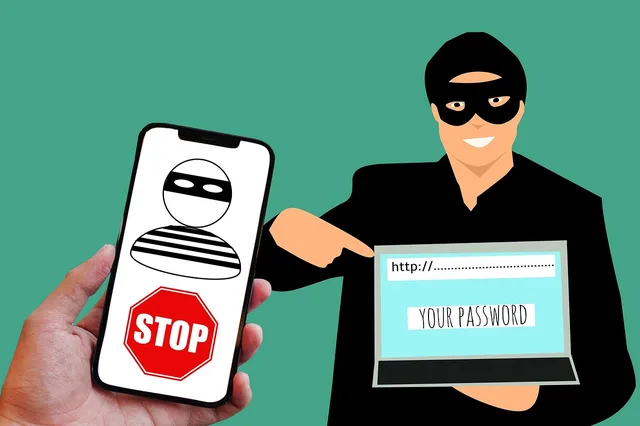
The most reliable way to counter these attacks is to break the attacker's momentum. If a call feels suspicious, hang up and call the person back using a known, saved number rather than trusting the incoming line.
Using a pre-arranged "safe word" or "challenge question" that only family members know can instantly expose a fraudulent AI clone. This physical action of disconnecting and reconnecting creates a barrier that most scammers cannot bypass through audio alone.
In this sequence, the second step is the most important.
Can I secure against AI calls?
A user adjusts the privacy settings on their social media profiles, realizing that public videos often contain the very audio clips needed to train a voice clone. They begin to limit the amount of high-quality audio they share publicly to secure against AI calls.
Protecting your vocal identity starts with digital hygiene and being mindful of the data you leave behind online.
Scammers often harvest audio from social media reels, YouTube videos, or public interviews. To minimize this risk, avoid posting long, clear recordings of your voice on public platforms. Additionally, being aware of "vishing" (voice phishing) trends allows you to remain vigilant.
If you receive an unexpected call requesting financial information, treat it as a high-risk interaction regardless of how convincing the voice sounds.
You can reduce your risk by using call-blocking applications and setting up a private family safe word.
Where can I find AI voice fraud tips?
A teenager watches a tutorial on a laptop, taking notes on how to spot deepfake technology in everyday digital interactions. They realize that staying informed is the first step in applying AI voice fraud tips to their daily life.
Knowledge acts as a psychological shield against the sudden shock of a fraudulent call.
Education should focus on the mechanics of the scam. Understanding that an attacker only needs a few seconds of your voice to create a convincing clone changes how you interact with strangers or unverified callers.
Sharing this information with elderly relatives is particularly crucial, as they are often the primary targets for these sophisticated emotional manipulations.
Look for guidance from local law enforcement agencies and cybersecurity awareness websites.
How to strengthen security against AI?
A family gathers around a dining table to discuss their new digital safety plan, ensuring everyone understands the steps to take during a crisis. To implement a strategy for strengthening security against AI, follow these specific protocols:
- Establish a private family code word that is never shared online or via text. 2. Implement a "call-back" rule where any request for money must be verified via a second, independent communication method. 3. Audit social media privacy settings to restrict who can access and download your video and audio content.
After performing these steps, conduct a final check by simulating a "test" call with a family member to ensure everyone remembers the code word and the verification process. I have practiced this with my own family to ensure we do not react impulsively during a high-stress moment.
| Method | Primary Benefit |
|---|---|
| Safe Word | Instant identity verification |
| Call-back Rule | Breaks the attacker's direct line |
The limitation of these security measures is that as AI models become more advanced, they may eventually replicate the subtle nuances of human emotion and breathing, making real-time detection increasingly difficult for the average listener.
Always treat unexpected requests for sensitive information or urgent payments with extreme skepticism.
This part also covers AI voice phishing countermeasures.
This part also covers Preventing modern scams now.
Strengthening security against AI
Related







Comments 0